

Día de los Muertos, known in English as Day of the Dead, is celebrated across multiple countries but has its roots in Mexico. Día de los Muertos is a mix of Aztec and Spanish Catholic traditions. It is the day in which the spirits of deceased loved ones are believed to come to visit their families.
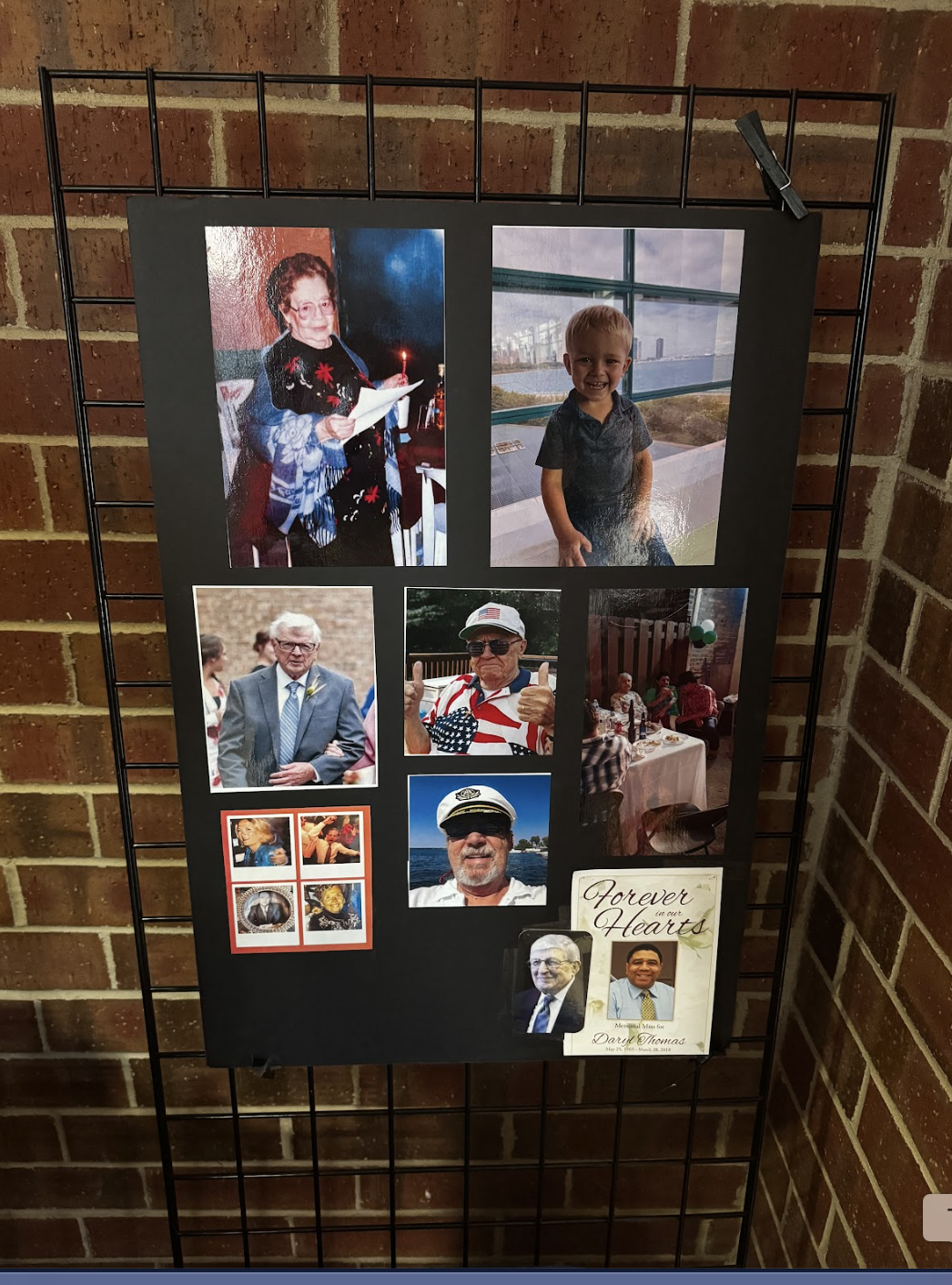
Ofrendas are altars set up by families of the departed. On these altars, families will often set certain food, pictures and other things that their family members loved. Other examples of objects that people would offer are drinks, toys and other items to honor them.
(Elisa Drda)
Freshman Dahlia Padilla celebrates Day of the Dead with her family. Padilla said, “During the celebration, we put some of our oldest deceased family members at the top and the youngest near the bottom and put down flowers, their favorite foods, and any other items that we think they still enjoy.”
“My family celebrates almost every year,” Padilla said. “We did not do it this past year, but we have for the past 6 years specifically for my Grandpa who died around 5 years ago.”
It is believed the spirits come to these ofrendas and collect these items, however, the belief is that the moment the deceased are forgotten is the moment they fade. This is why it’s important for families to keep having ofrendas every year so their deceased loved ones are never forgotten.
(Elisa Drda)
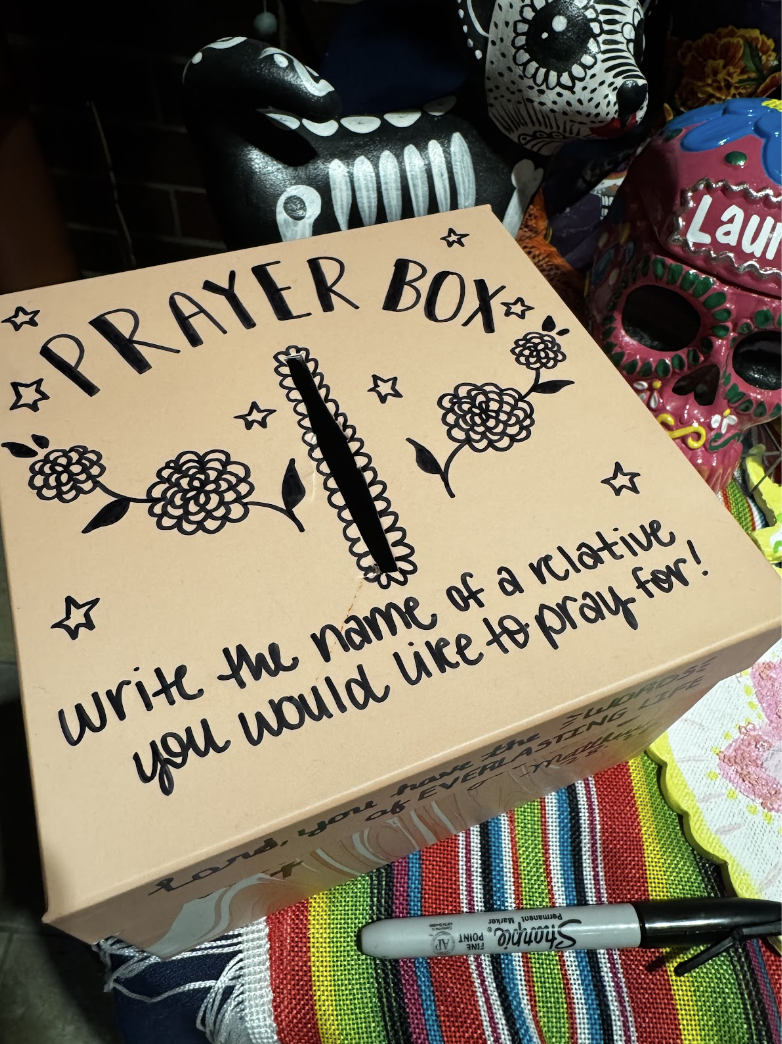
On Tuesday, October 28th, Nazareth Academy’s Bible Study Club made an addition to the Day of the Dead ofrenda. A prayer box with bible verses and faith-related artwork has been added. Students were encouraged to write notes or prayers to their loved ones and put them in the box on the ofrenda.
Elements of the ofrenda:
Alebrijes
(Elisa Drda)
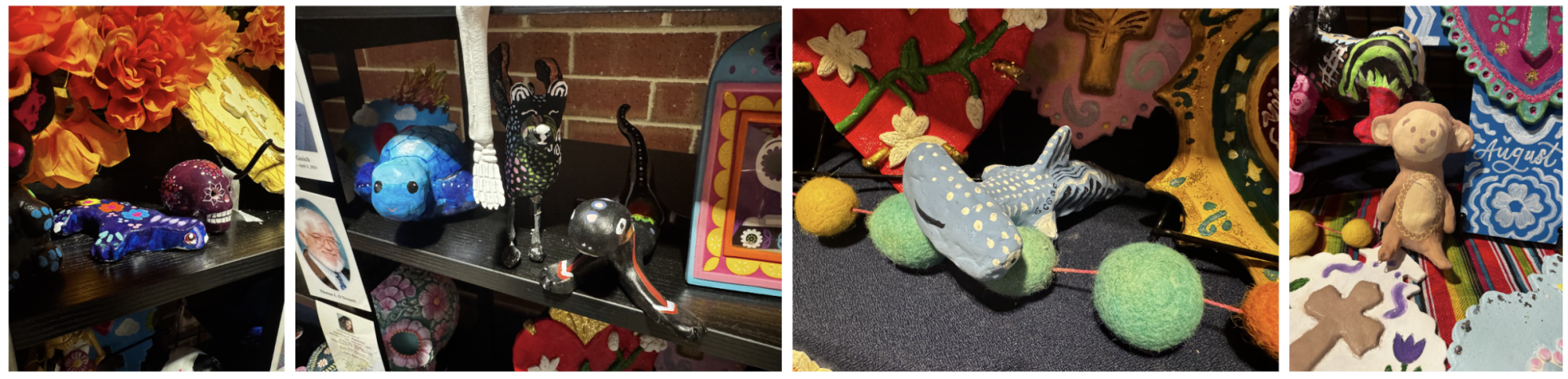
A major part of Naz’s ofrenda are the alebrijes that the ceramics art classes made. These are colorful pieces of Mexican folk art that are sculptures of mythical creatures usually made of wood or paper mache.
Alebrijes have a major role to guide loved ones on their journey to the afterlife, as well as guiding them to reunite with families during this celebration. They are also believed to ward away evil spirits around us on Earth.
Marigolds
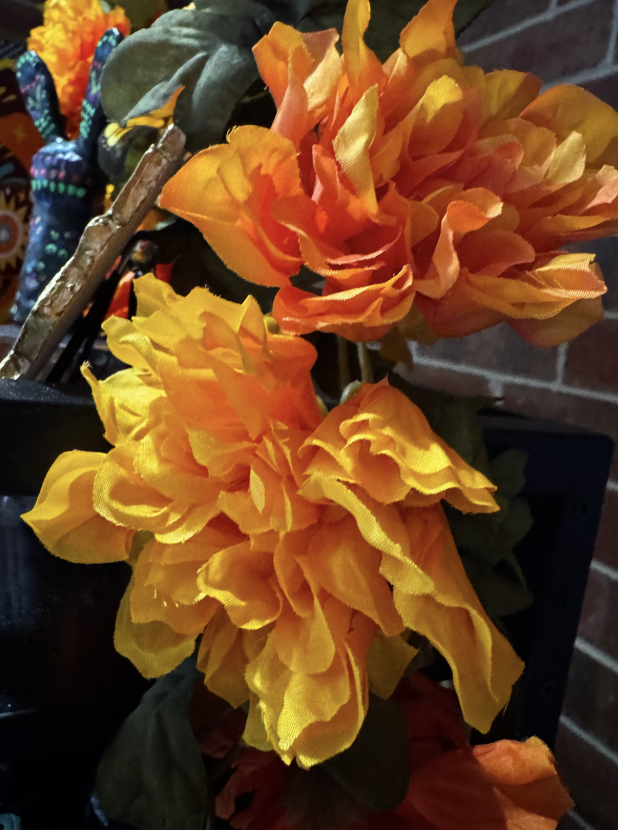
Marigolds are important for the Day of the Dead celebration. Their bright orange and yellow colors stand out and are said to represent the sun, which helps guide the spirits of loved ones back to visit their families.
People believe the strong smell of the marigolds help the souls find their way to the ofrendas. These flowers don’t just make everything look nice, they also have a deep meaning.
Marigolds symbolize the connection between life and death, reminding families to celebrate and remember the people who have passed away.
Sacred Hearts
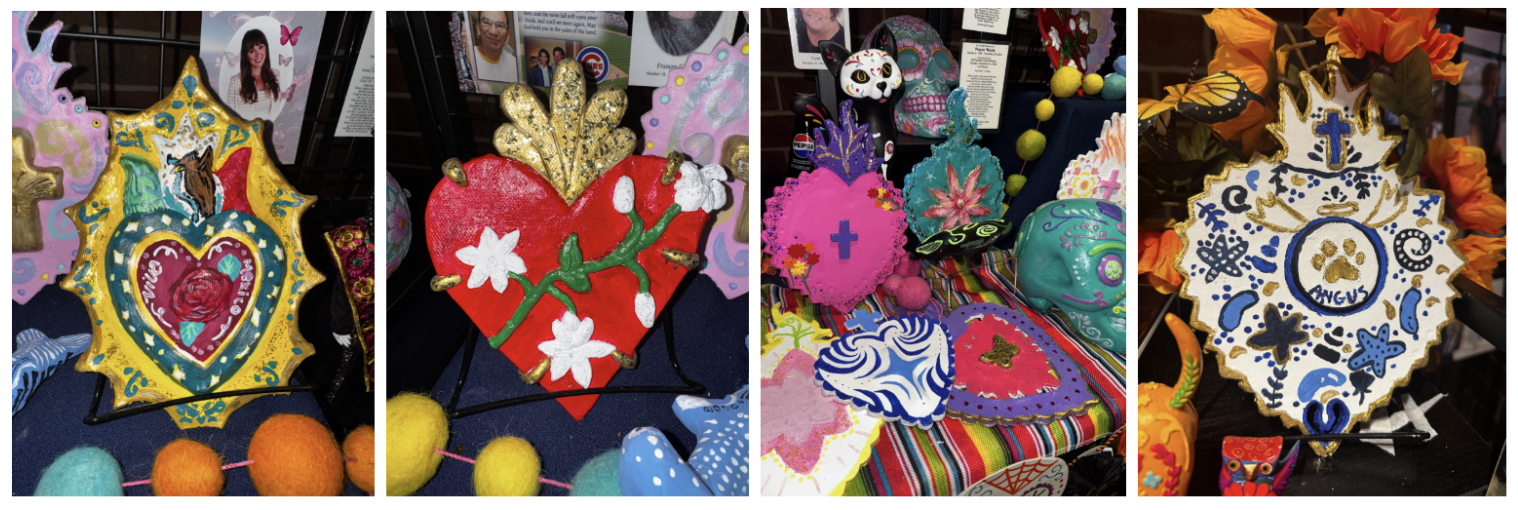
Sacred heart images are included in ofrendas as a symbol of Jesus’s divine love and compassion for humanity, reflecting the fusion of pre-Hispanic traditions and Christianity in Mexican culture.
While it is not mandatory, they represent a significant element of devotional art that can be displayed to honor deceased loved ones on the altar, which itself is a way to welcome and honor their return.
Naz ceramics students took part in making sacred hearts for the ofrenda display.
Dates of 2025 Día de los Muertos celebration:
This year’s celebrations take place from October 27-November 2.
October 27th is a special day to honor deceased pets, including them into the ofrendas by adding their belongings like toys, treats, collars, and food.
November 1st is Day of the Little Angels, where spirits of deceased children come and reunite with families. Families would put up pictures of the children, their favorite snack or food, toys, and a sugar skull with their names on it.
November 2nd at 12am is the time when the spirits of deceased adults will come and visit families. Ofrendas are set-up with their favorite drink, pan de muerto, favorite foods, and games. At around noon, everyone is celebrated with parades and festivals and families pay visits to cemeteries and bring marigolds to lay at the graves.







Ms. Radogno • Nov 6, 2025 at 10:29 am
Great article about this beautiful display!